What Is the Old Money Aesthetic?
The old money aesthetic is not about showing off wealth. It is about looking like you never had to think about it. The style is quiet, polished, and timeless: tailored clothes in muted colours, natural fabrics, and no visible logos. It takes its cues from generations of understated dressing rather than from any single season’s trends, which is why a good blazer from ten years ago can still look completely current today.
If you like the idea of a smaller, smarter wardrobe, this guide pairs naturally with our capsule wardrobe essentials for women, where the same “fewer, better pieces” logic applies. The difference here is the mood: where a capsule wardrobe is about practicality, old money dressing is about heritage, restraint, and polish.
What Defines the Look?
Four rules run through almost every old money outfit:
- Restraint over display. No large logos, no flashy prints, no neon.
- Fit over labels. A well-fitting high-street blazer beats an expensive one that hangs badly.
- Quality over quantity. Fewer pieces in fabrics that last beat a closet full of trends.
- Timeless over trendy. If it looked right twenty years ago, it belongs here.
The overall effect is calm confidence: nothing shouts, everything fits.
The Fabrics That Define Old Money Style
Fabric is the single biggest giveaway. Natural fibres drape better, hold their shape longer, and carry a soft richness thin synthetics cannot imitate.
| Fabric | Best For | Why It Works |
|---|---|---|
| Wool and tweed | Blazers, trousers, coats | Structured, warm, and classic |
| Cashmere | Sweaters, scarves, cardigans | Soft, light, and instantly elevated |
| Cotton poplin and Oxford cloth | Shirts and blouses | Crisp, clean, and easy to keep smart |
| Linen | Summer shirts, trousers, dresses | Breathable and relaxed without looking sloppy |
| Silk | Blouses, scarves, dresses | Smooth sheen and beautiful drape |
| Fine leather and suede | Shoes, belts, bags | Ages well and grounds every outfit |
The practical test is simple: hold the fabric up and look at how it falls. If it drapes cleanly and feels substantial, it will read as expensive. When in doubt, choose matte finishes over shiny ones.
The Muted Colour Palette
The core colours are navy, cream, ivory, white, camel, beige, grey, and charcoal, with muted accents such as forest green, burgundy, olive, and chocolate brown. Black is used sparingly.
The discipline is the point. When every piece in an outfit comes from the same tonal family, the result looks coherent and expensive even when the individual items are not. A reliable rule is to build each outfit from no more than three of these colours.
Patterns stay quiet: thin stripes, subtle plaids, houndstooth, and small checks.
Essential Pieces for Women
These pieces carry the aesthetic, and most pair with each other:
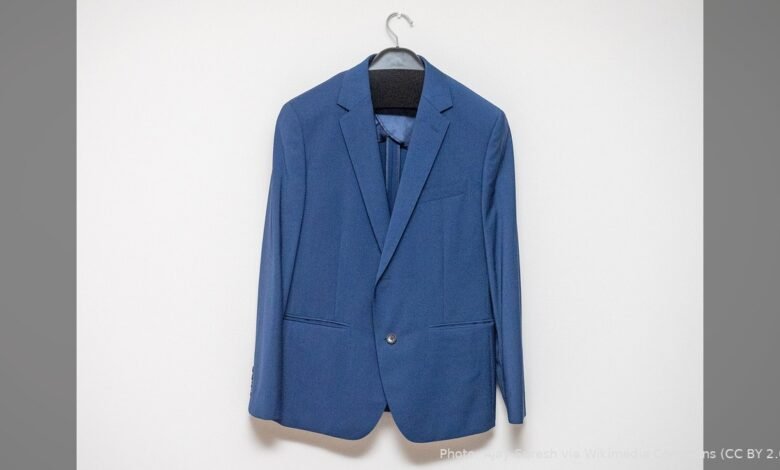
- A tailored navy blazer — the single most useful piece here.
- Crisp white shirts — in cotton poplin or Oxford cloth.
- Cashmere or fine wool sweaters — crewnecks, V-necks, and cardigans in cream, camel, or navy.
- Tailored trousers — straight-leg cuts in navy, charcoal, or beige, never skinny and never baggy.
- A pleated midi skirt — ending at or below the knee, in navy, camel, or a quiet plaid.
- A trench coat or wool overcoat — in camel or navy, for the colder months.
- Loafers, ballet flats, and low-heeled pumps — in brown or black leather, polished and well kept.
- A structured leather handbag — in tan or black, no visible branding.
- Simple jewellery — pearl studs, small gold hoops, a slim watch, a silk scarf.
Essential Pieces for Men
The men’s version follows the same principles:
- A navy blazer or tweed sport coat — structured but relaxed.
- White and light-blue Oxford shirts — the backbone of the wardrobe.
- Crewneck and V-neck sweaters — in cashmere or merino wool.
- Chinos and tailored trousers — in navy, stone, olive, and grey.
- A camel or navy overcoat — for winter.
- Loafers, Oxfords, and clean leather boots — in brown or black, polished.
- Quiet accessories — a leather belt, a slim watch, a muted silk tie.
For both men and women, avoid visible branding entirely: discretion is the whole philosophy.
Outfit Formulas That Always Work
Think in formulas rather than individual pieces:
- Women, daytime: navy blazer + white shirt + straight-leg trousers + loafers.
- Women, relaxed: cashmere sweater + pleated midi skirt + ballet flats + structured tote.
- Women, evening: silk blouse + tailored trousers + low-heeled pumps + pearl studs.
- Women, cold weather: camel overcoat + knit sweater + dark jeans + leather boots.
- Men, daytime: Oxford shirt + chinos + navy blazer + loafers.
- Men, smart: white shirt + grey tailored trousers + tweed jacket + Oxford shoes.
- Men, casual: crewneck sweater + dark chinos + clean leather sneakers + a simple watch.
Each formula stays inside two or three muted colours, uses a natural fabric, and includes nothing with a visible logo.
Building the Look on a Budget
This aesthetic is one of the easiest to build cheaply, because it was never about price. Fabric, fit, and a restrained palette matter far more than designer labels, a point made clearly in this old money aesthetic guide.
Practical ways to build it without overspending:
- Shop second-hand first. Blazers, cashmere sweaters, trench coats, and leather bags are common quality thrift finds.
- Invest in silhouette pieces. Outerwear, blazers, trousers, and knitwear deserve the biggest share of your budget.
- Spend a little on tailoring. A modest hem or waist adjustment can make an affordable item look custom-made.
- Buy off-season. Coats in spring and linen in autumn cost far less.
- Maintain what you own. Iron shirts, polish shoes, de-pill sweaters.
The rule is cost per wear: a coat worn two hundred times is cheap at almost any price.
Mistakes That Break the Look
- Visible logos. The single biggest mistake; it undoes everything else.
- Too many colours. Stick to three muted tones at most.
- Poor fit. It ruins even the best fabric.
- Shiny synthetics. They read as the opposite of the look.
- Too many accessories at once. One watch, one pair of earrings, one bag.
- Chasing every trend. A trendy piece dates the whole outfit.
- Neglecting maintenance. Scuffed shoes and wrinkled shirts break the polished effect.
Caring for Timeless Pieces
Wool and cashmere should be folded, not hung, and washed gently or dry-cleaned as their labels advise. Leather shoes benefit from regular polishing and shoe trees, which keep their shape for years. These small habits are exactly how heritage wardrobes survive for decades, and they cost almost nothing.
Frequently Asked Questions
What is the old money aesthetic?
It is a timeless, understated style built on tailored silhouettes, muted colours, natural fabrics, and no visible branding.
Is old money the same as quiet luxury?
They overlap closely. Quiet luxury is the logo-free, understated way of signalling wealth; old money is the broader heritage style it draws from. In practice, both point to the same wardrobe.
What colours are best for the old money aesthetic?
Navy, cream, camel, charcoal grey, ivory, chocolate brown, forest green, and burgundy. Build each outfit from no more than three of them in the same tonal family for the most coherent result.
What fabrics say old money?
Natural fibres: cotton poplin, wool, linen, silk, and cashmere. They drape better, hold their shape, and have a matte richness synthetics cannot imitate.
Can I dress old money on a budget?
Yes. Start with the neutral, natural-fabric pieces you already own, add one well-fitting blazer or coat, and buy heritage items second-hand. Fabric, fit, and palette matter more than price.
What shoes go with the old money aesthetic?
Loafers, Oxfords, ballet flats, low-heeled pumps, and clean leather boots in brown or black. Keep them polished, and choose classic shapes over trendy ones.
Final Thoughts
The old money aesthetic is not a shopping list and it is not a wealth test. It is a set of habits: choose natural fabrics, keep the palette muted, insist on good fit, hide the logos, and look after what you own. Do those five things and the look takes care of itself, whether the blazer came from a designer store or a thrift shop.
Start with what you already have: a navy blazer, a white shirt, and well-fitting trousers. Build one outfit from them and add pieces slowly. Timeless style was never about buying everything at once; it was always about buying well, once.
Also read