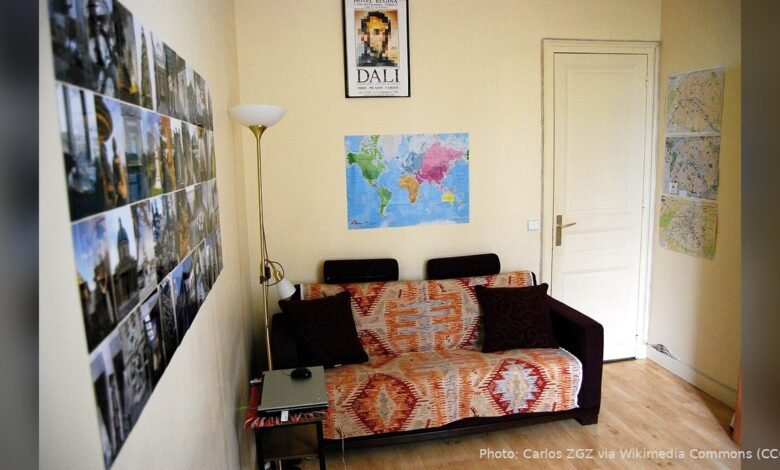
Minimalism sounds dramatic — empty white rooms, a single chair, a suitcase of clothes — but the real version is far gentler. A minimalist lifestyle simply means owning less of what you do not need, so you have more time, money, and headspace for what you actually value. You do not have to throw everything away, or do it all in one weekend. This guide covers beginner-friendly steps: decluttering one area at a time, choosing quality over quantity, shopping mindfully, and clearing digital clutter too.
If your wardrobe is the first place you want to simplify, our capsule wardrobe essentials for women guide applies the same “fewer, better pieces” idea to your closet.
What Is a Minimalist Lifestyle?
Minimalism is the practice of intentionally living with fewer possessions and commitments, keeping what is useful, meaningful, or genuinely enjoyed. Joshua Becker, founder of the site Becoming Minimalist, describes it as owning less of what you do not need and more of what you want, like time and money — not going without for the sake of it.
That distinction matters. Minimalism is not a competition to own the fewest things, and there is no rulebook — as Becker puts it, a little minimalism is better than none at all.
Why Bother? The Practical Benefits
- Less cleaning and tidying. Fewer possessions mean faster cleaning and less time spent looking for things.
- Less stress. Every unused item is something your brain has to process and eventually decide about.
- More money. Buying less, and buying better, leaves more for experiences, savings, or debt repayment.
- More time. A simpler wardrobe means faster mornings; a simpler schedule means evenings that are actually free.
- Less waste. Consuming less means fewer resources used and less going to landfill.
Step 1: Start Small — One Area at a Time
Start small: trying to declutter a whole house in one day leads to exhaustion and a half-finished mess. Pick one small, visible area and finish it completely — a single drawer, your wallet or phone home screen, one bookshelf, the top of your desk, or one section of your wardrobe.
Set a timer for 15 to 30 minutes. Take everything out, decide on each item, and only then put things back. A quick, finished win builds momentum far better than a grand plan that stalls.
Step 2: Sort Everything into Four Groups
As you work through an area, sort each item into one of four groups:
| Group | What goes here |
|---|---|
| Keep | Items you use regularly or that genuinely add value |
| Donate or give away | Items in good condition someone else could use |
| Sell | Items with real resale value you no longer need |
| Trash or recycle | Broken, worn-out, or unusable items |
For each item, ask: Have I used this in the past year? Does it hold real sentimental value, or is it just taking up space? Could I replace it easily if I ever needed it again? If the answers are no, no, and yes, let it go.
For undecided items, try a “maybe box”: pack them up, date it, and put it out of sight. If you never look for anything in it after a few months, donate it unopened.
Step 3: Declutter by Category
Once you have a few small wins, working by category often works better than working room by room. Finish one category before starting the next.
- Clothes. Duplicates are the easiest win: extra towels, mugs, water bottles, T-shirts, and chargers that multiplied unnoticed.
- Books. Keep ones you will re-read or reference; pass on the rest.
- Kitchen tools. Keep the tools you reach for weekly; most kitchens hold gadgets used once a year.
- Papers. Scan important documents, file them digitally, and shred or recycle the rest.
- Sentimental items. Keep a small number of truly meaningful pieces and display or use them; photograph the rest.
Step 4: Use the One-In, One-Out Rule
Decluttering only works if clutter stops coming back. The one-in, one-out rule is the simplest maintenance system: for every new item that enters your home, one old item leaves it. Buy a new shirt, donate an old one; buy a new book, pass one on.
Adding a little friction to purchases helps too. Removing saved payment details from shopping sites forces a pause before checkout — often enough to realise you do not need the item. Beginner guides such as this beginner’s guide to minimalism make the same point: small habits like one-minute decluttering help the lifestyle stick.
Step 5: Choose Quality Over Quantity
Minimalism and frugality are not the same thing. The point is not to spend as little as possible, but to spend on fewer, better things: one well-made pair of shoes that lasts years beats five cheap pairs that fall apart, and one sharp kitchen knife beats a drawer full of blunt ones.
The same applies to clothes: a smaller wardrobe of pieces you actually like, that fit well and go together, beats a large wardrobe full of “maybe” items.
Step 6: Simplify Your Schedule and Your Digital Life
Clutter is not only physical. An overloaded calendar creates the same drained feeling as an overloaded room, so drop one commitment you have outgrown, and protect at least one evening a week for rest or hobbies.
Digital clutter weighs on you just as much. In one afternoon you can delete apps you have not opened in a month, unsubscribe from newsletters you never read, delete duplicate photos, organise loose files, and set a daily social media limit.
Step 7: Build Simple Daily Habits
Small habits make it stick:
- One-minute decluttering. Whenever you enter a room, spend 60 seconds removing anything that does not belong there.
- A home for everything. Give every item a place and return it there after use, so tidying takes minutes.
- Regular check-ins. Once a month or once a season, remove anything that has stopped earning its place.
- Gratitude for what you keep. Noticing what you already own and use makes the urge to buy more fade.
Your Minimalist Starter Checklist
- [ ] Declutter one drawer or shelf, start to finish
- [ ] Sort items into keep, donate, sell, and trash groups
- [ ] Set up a “maybe box” for undecided items
- [ ] Apply one-in, one-out to your next three purchases
- [ ] Delete 10 unused apps; unsubscribe from 10 unread newsletters
- [ ] Cancel or pause one commitment that no longer serves you
- [ ] Keep one clutter-free zone (bedroom, desk, or entryway) clear
- [ ] Wait 48 hours before your next non-essential purchase
Ticking off even half of this list is a genuine start.
Frequently Asked Questions
What is a minimalist lifestyle?
Living intentionally with fewer possessions and commitments, keeping what is useful or meaningful, to create space for what matters most.
How do I start minimalism as a beginner?
Start with one small area, like a drawer or a shelf, sort everything into keep, donate, sell, and trash groups, and finish that area before moving on.
Do I have to get rid of everything I own?
No. Keep anything you use regularly, genuinely love, or find meaningful — the goal is a home that serves you, not an empty one.
What is the one-in, one-out rule?
For every new item you bring into your home, you remove one old item. This stops clutter building back up and makes you think twice before buying.
How long does it take to become a minimalist?
There is no finish line. Most people declutter over weeks or months, one area or category at a time, then maintain it with small habits like monthly check-ins. Progress, not perfection, is the point.
Is minimalism expensive?
Not necessarily. Minimalists often buy higher-quality items, but far fewer of them, which usually saves money overall. You can also start entirely for free — decluttering and donating cost nothing.
Can minimalism work for families?
Yes, with adjustments: declutter shared spaces first, give children a say in their own belongings, and focus on experiences over accumulating toys.
What should I do with sentimental items?
Keep a small number of truly meaningful pieces and use or display them. Photograph the rest before letting them go, so the memory is preserved without the storage.
Final Thoughts
A minimalist lifestyle is not a dramatic overnight transformation. It is a series of small, deliberate choices: one drawer cleared, one duplicate donated, one impulse purchase skipped, one evening reclaimed. Together they add up to a home that is easier to live in and a life with more room in it.
Start today, start small, and be patient with yourself — and if you want to extend the same “buy less, choose well” thinking to your wardrobe, our guide to sustainable fashion brands in India shows how the same principles apply to what you wear.
Also Read